1 / 30
Mama Afrika · The Pan African Project
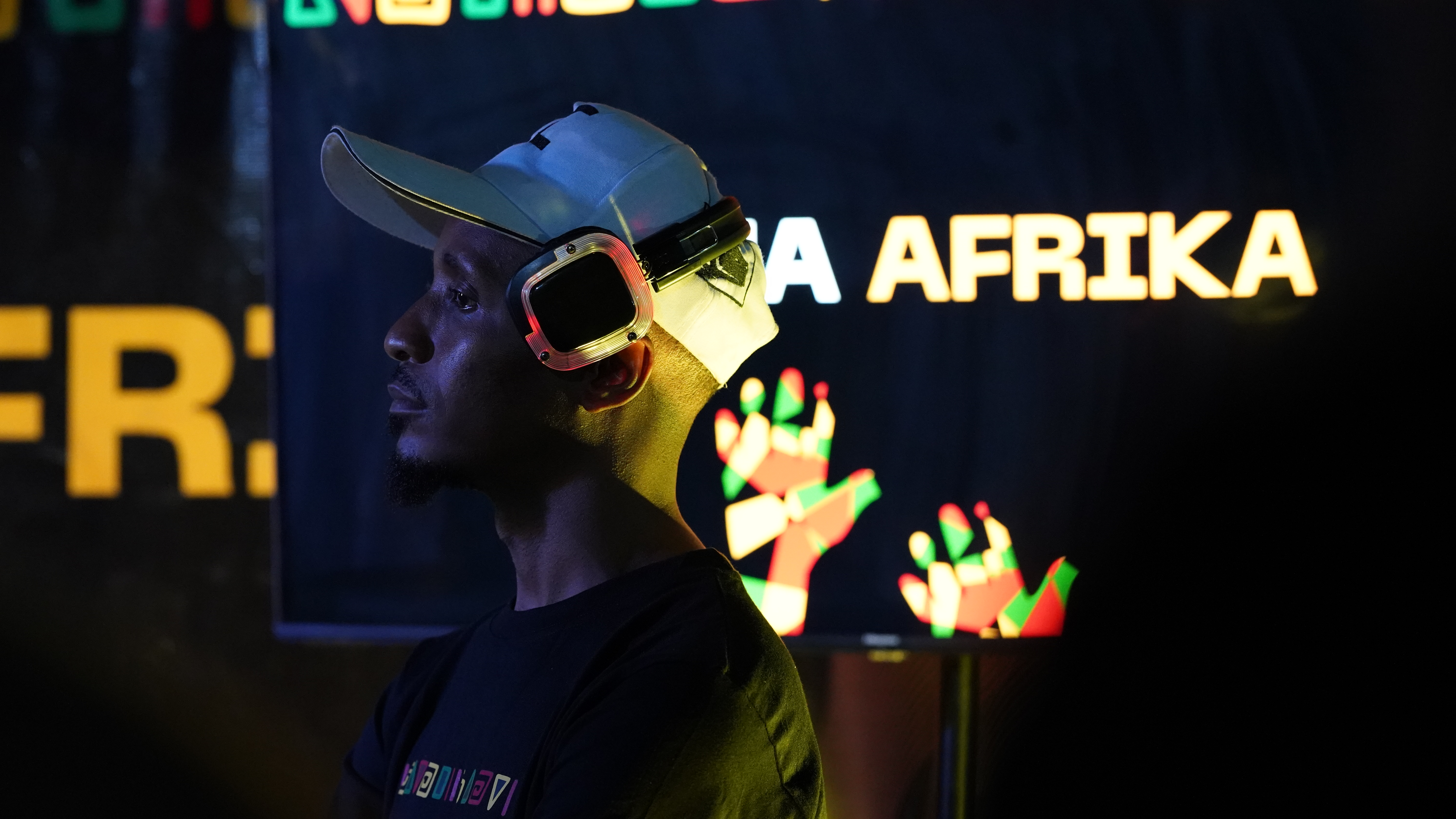
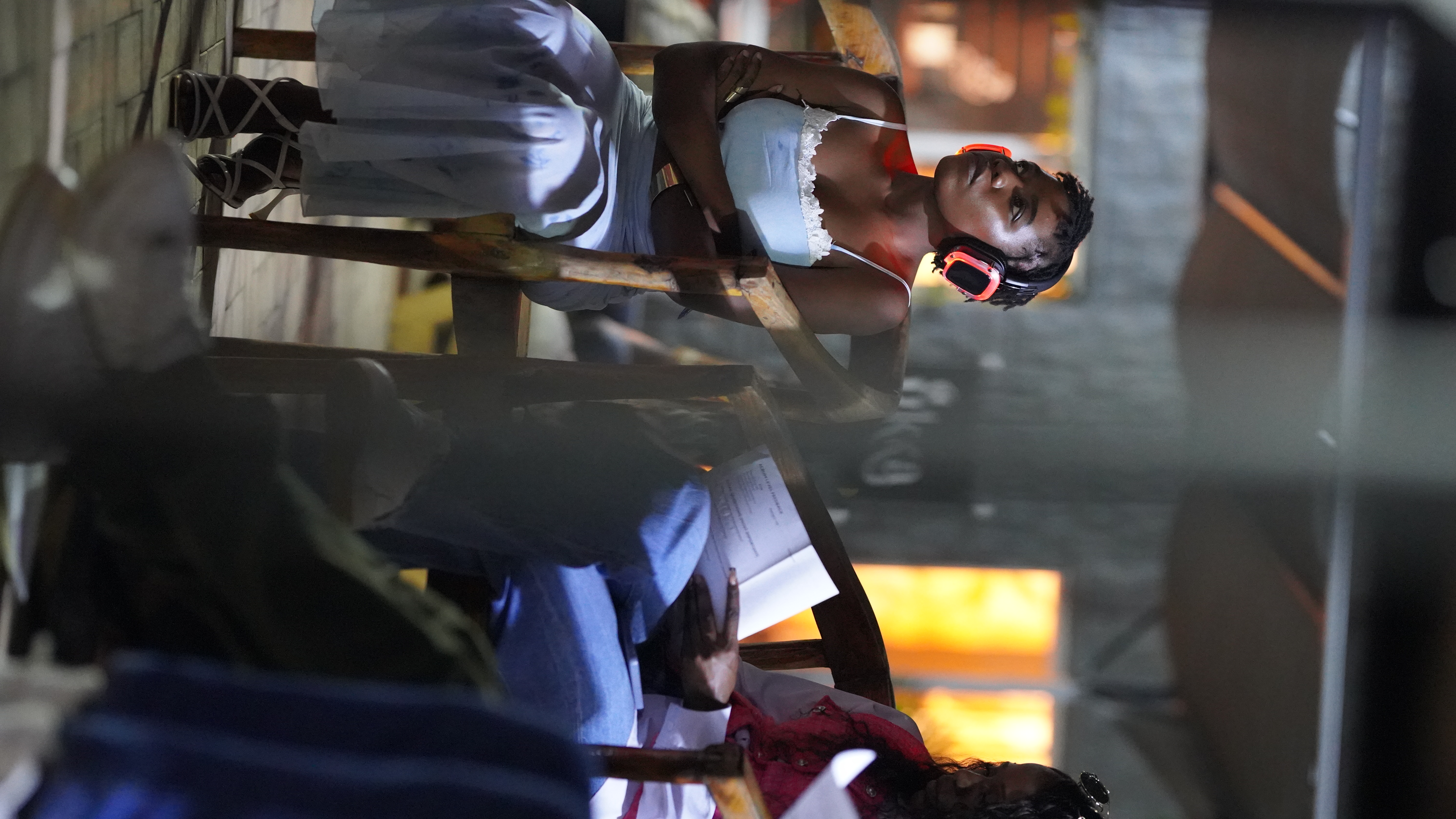
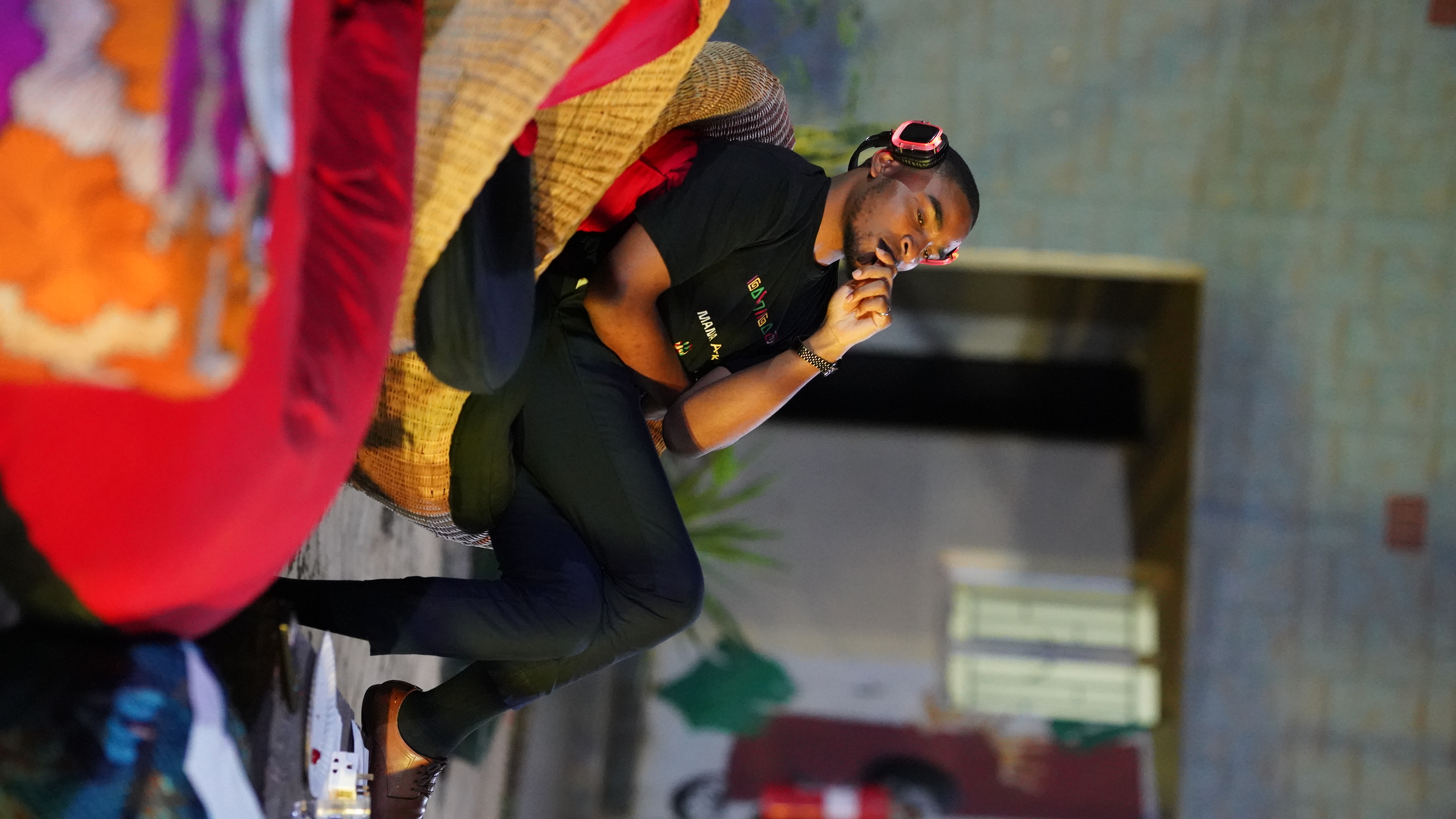
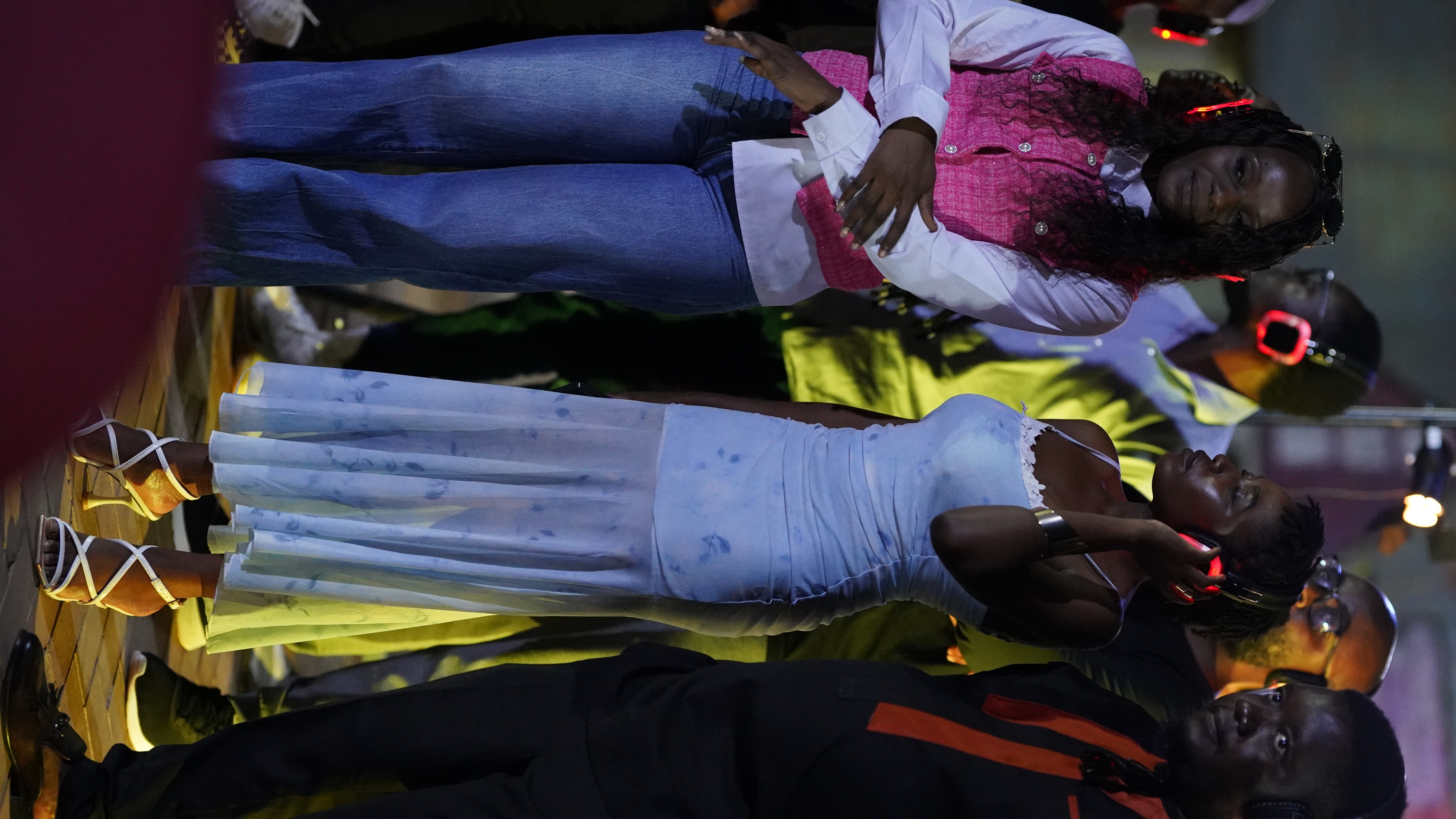
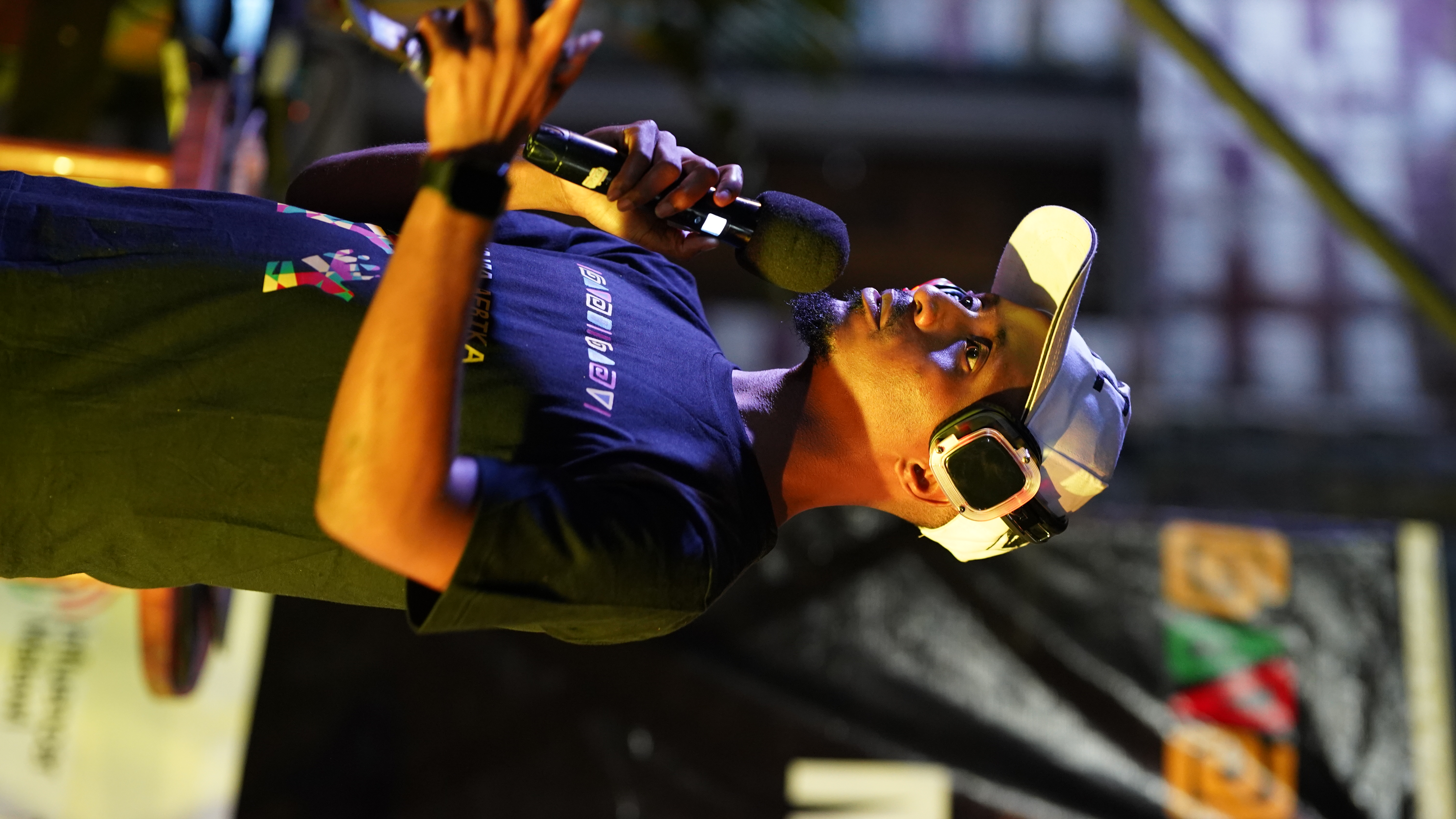
Before the album met the world, it met the people. Two intimate listening sessions — held in Lilongwe and Blantyre — brought communities, creatives, and cultural voices together to experience the music, share honest feedback, and help shape the final direction of Mama Afrika.
Community · Feedback · Cultural Alignment
The Engagement Phase of the Mama Afrika project was built on a simple but powerful principle: the music belongs to the people it speaks about. Before a single track was finalised for release, the album was taken directly to communities in Malawi — not as a finished product, but as a living conversation.
These sessions were not concerts. They were intimate, structured gatherings designed to create space for genuine response — emotional, intellectual, and cultural. Attendees heard the music, engaged with the narrative, and contributed perspectives that shaped the album's final form.
This approach reflects the project's core belief that African creative work is most powerful when accountable to African audiences — produced in ongoing dialogue with the communities it seeks to represent and uplift.
Gathering raw, honest responses from community members to refine the music's narrative direction and emotional resonance before the continental release.
Ensuring the album's storytelling authentically represents African identity and speaks with — not just about — the communities at the heart of the project.
Creating early ambassadors who feel genuine ownership over the project and carry its message forward into their own networks across the continent.
The first session took Mama Afrika to the heart of Malawi — the capital city of Lilongwe — where creatives, youth leaders, and community voices gathered to experience the album's opening chapters for the very first time.
Lilongwe set the tone for the entire engagement phase. As the political and administrative capital of Malawi, it brought together a diverse cross-section of attendees — young professionals, artists, students, and cultural thinkers — each arriving with their own relationship to African identity and the questions the album raises.
The session was structured around the album's five-phase narrative. Attendees listened in sequence, pausing between phases for facilitated discussion. This format allowed the music to breathe and invited participants to locate themselves within the story being told.
Feedback centred on the emotional weight of the Disruption phase, with many sharing personal and intergenerational connections to the themes of fracture and loss. The Lumumba Tribute — Rise of Voices — drew particular resonance, sparking conversations about political memory and generational responsibility.
The music made me feel seen. Like someone had taken what I carry silently and put it into sound. That is rare for African music on this scale.
The session also surfaced important insights around language, accessibility, and how the album's narrative could reach audiences across different educational and generational backgrounds — feedback that directly shaped final production decisions.
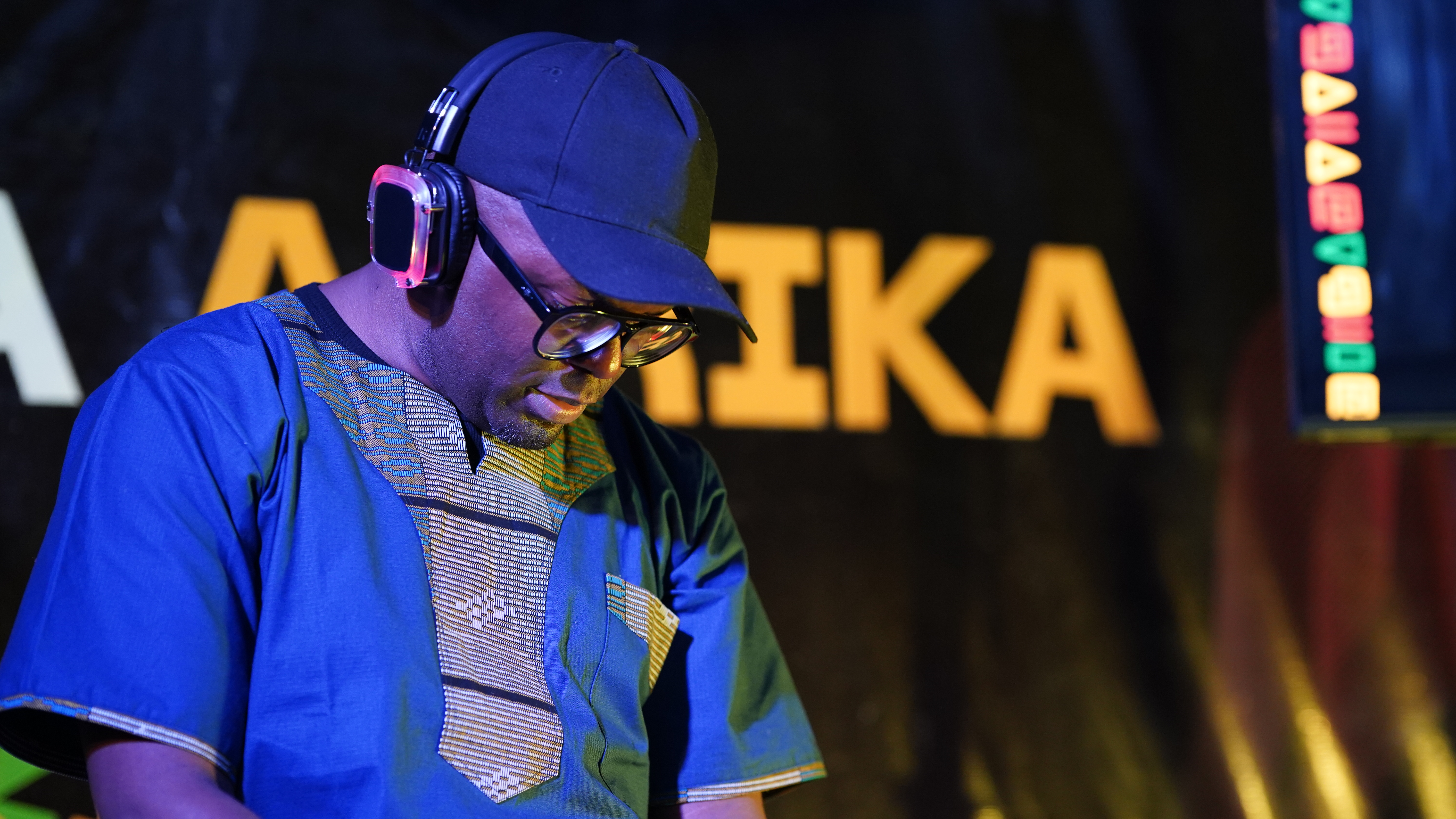
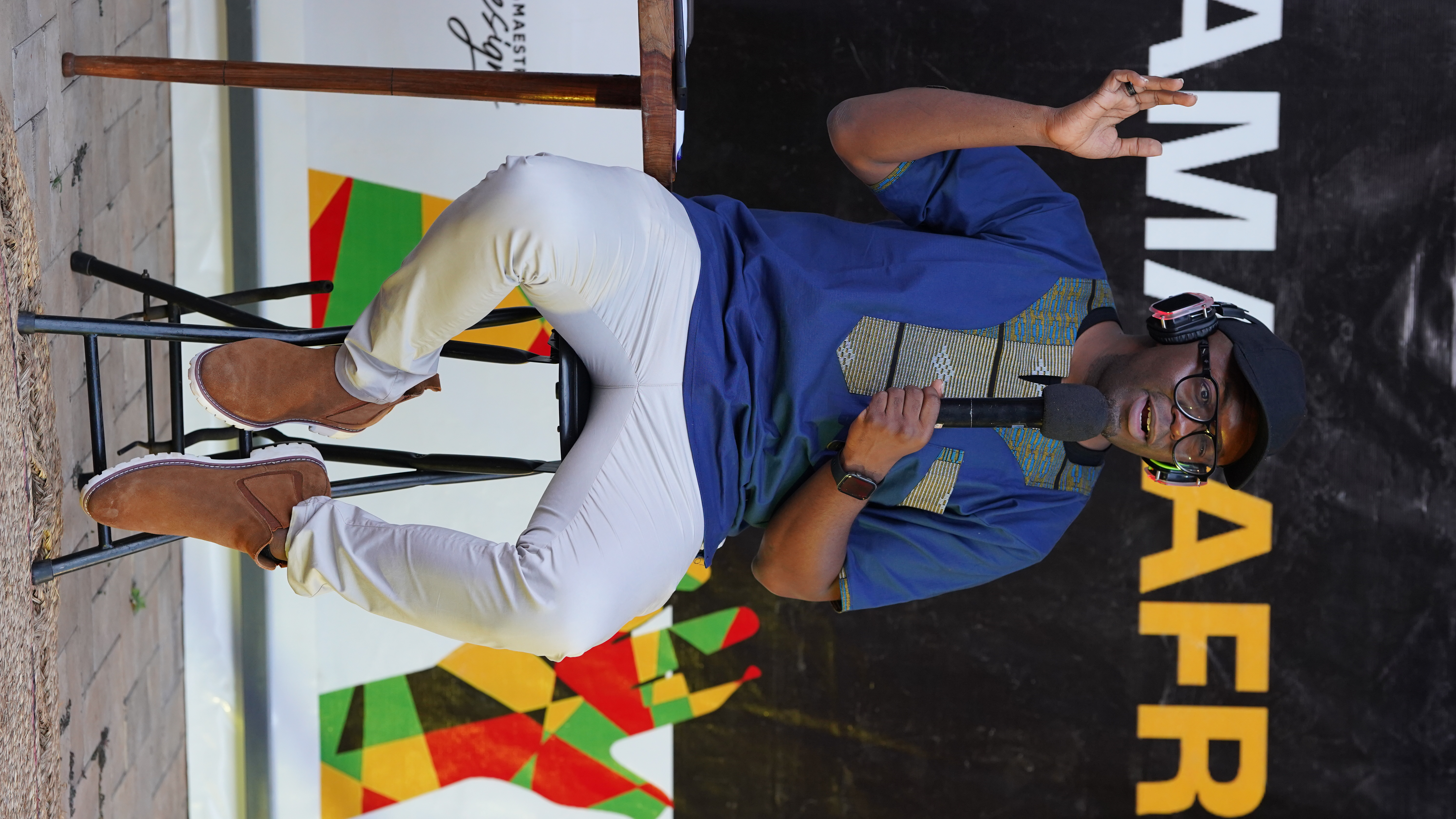
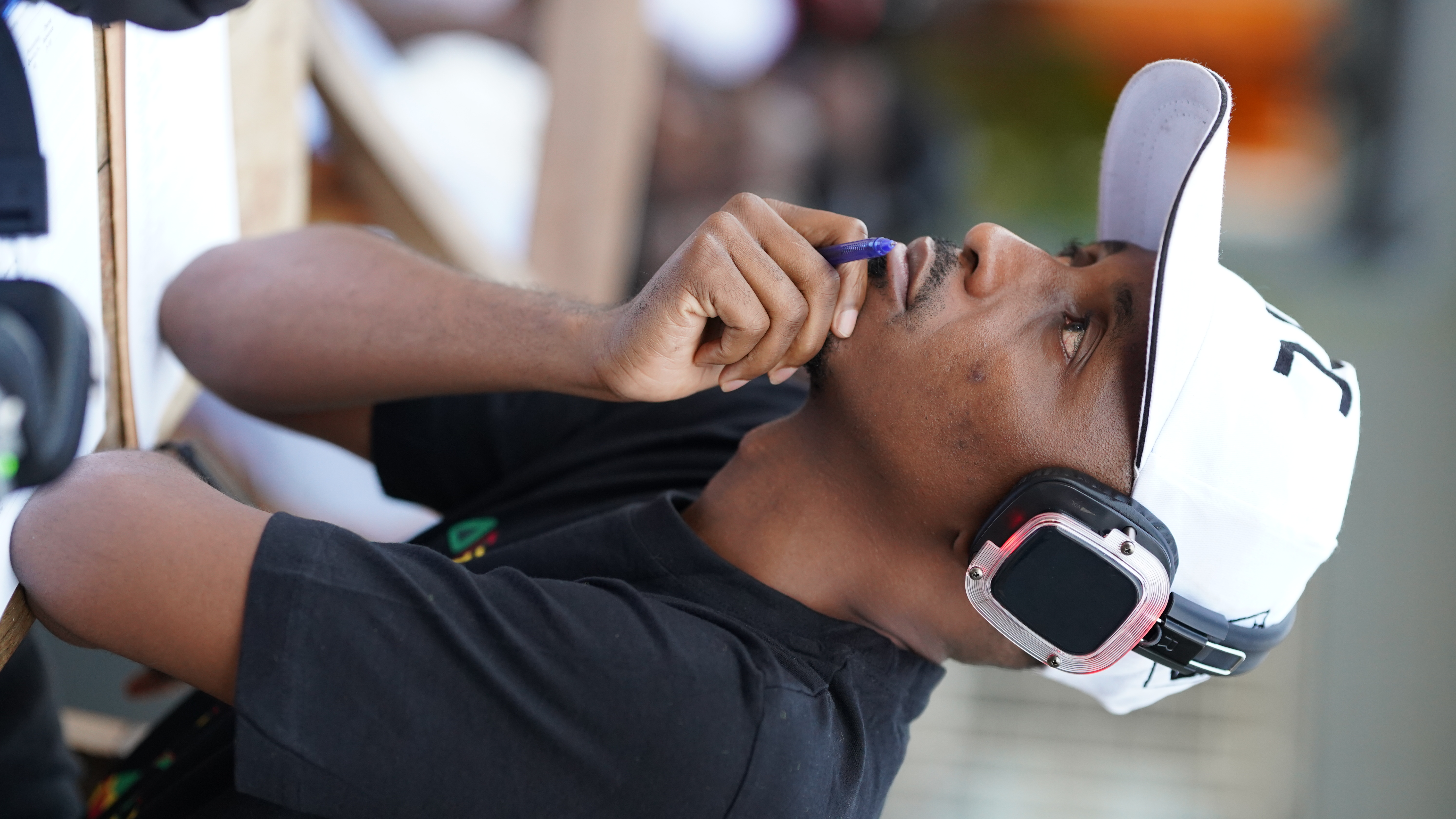
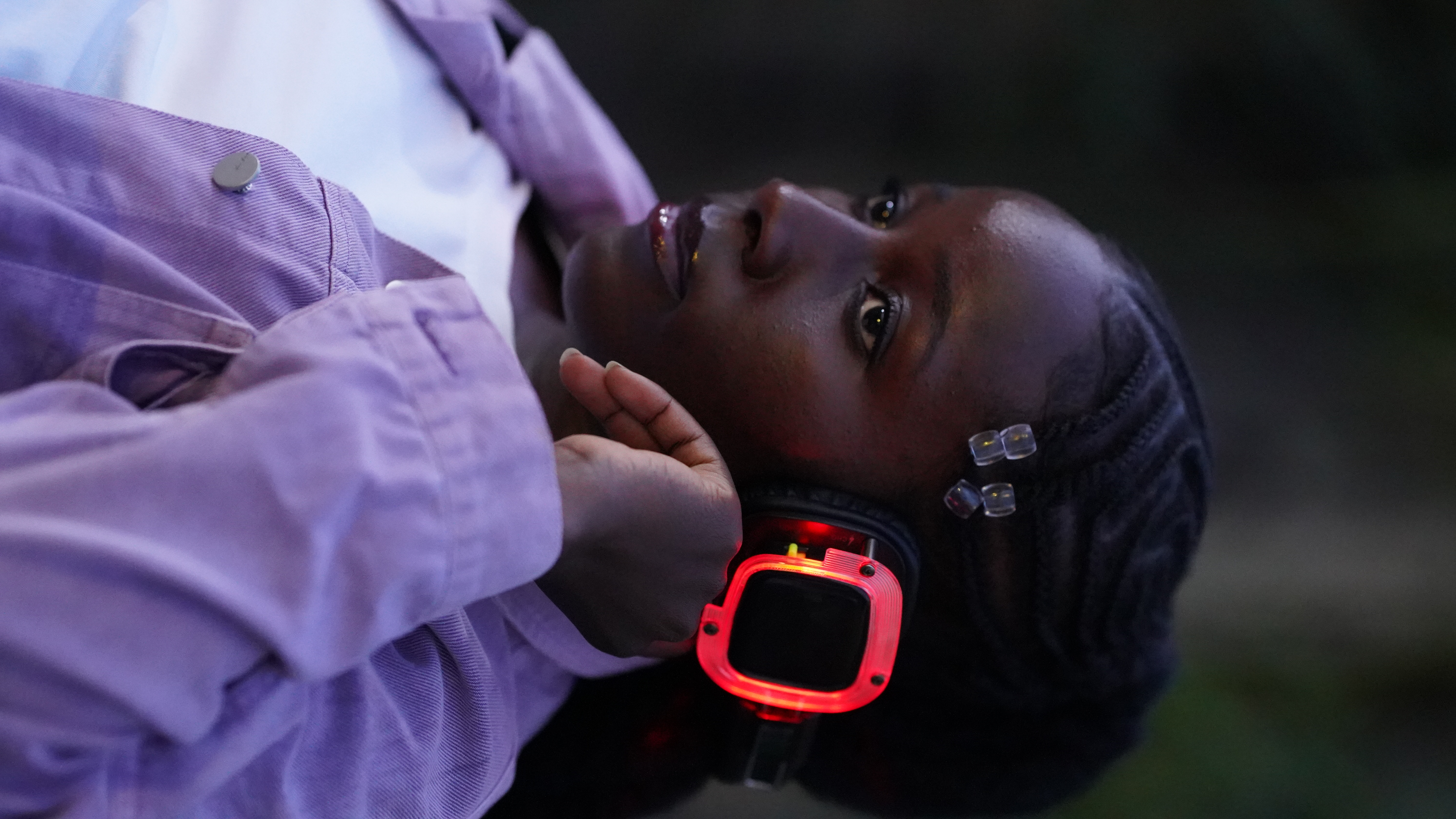
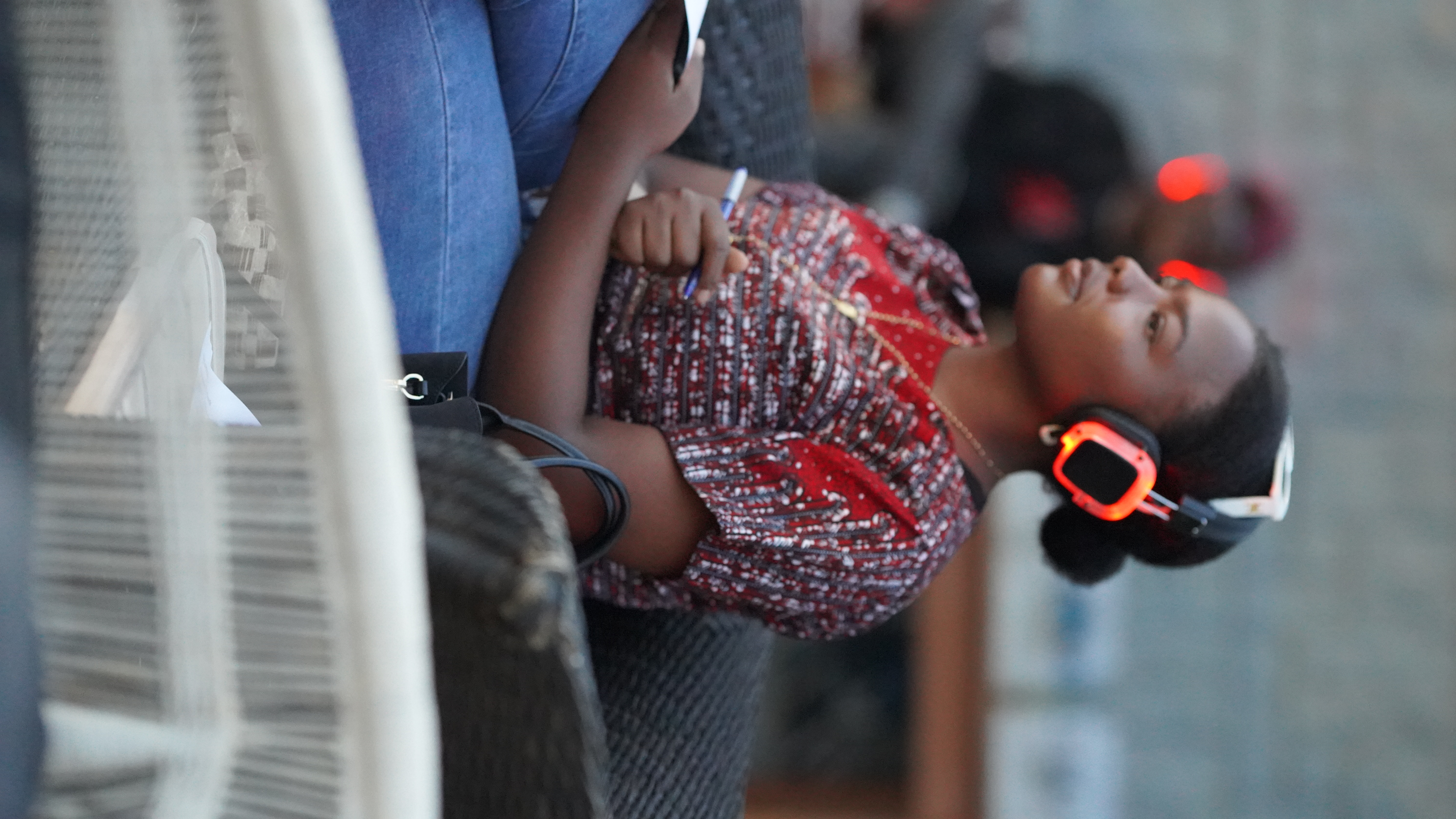
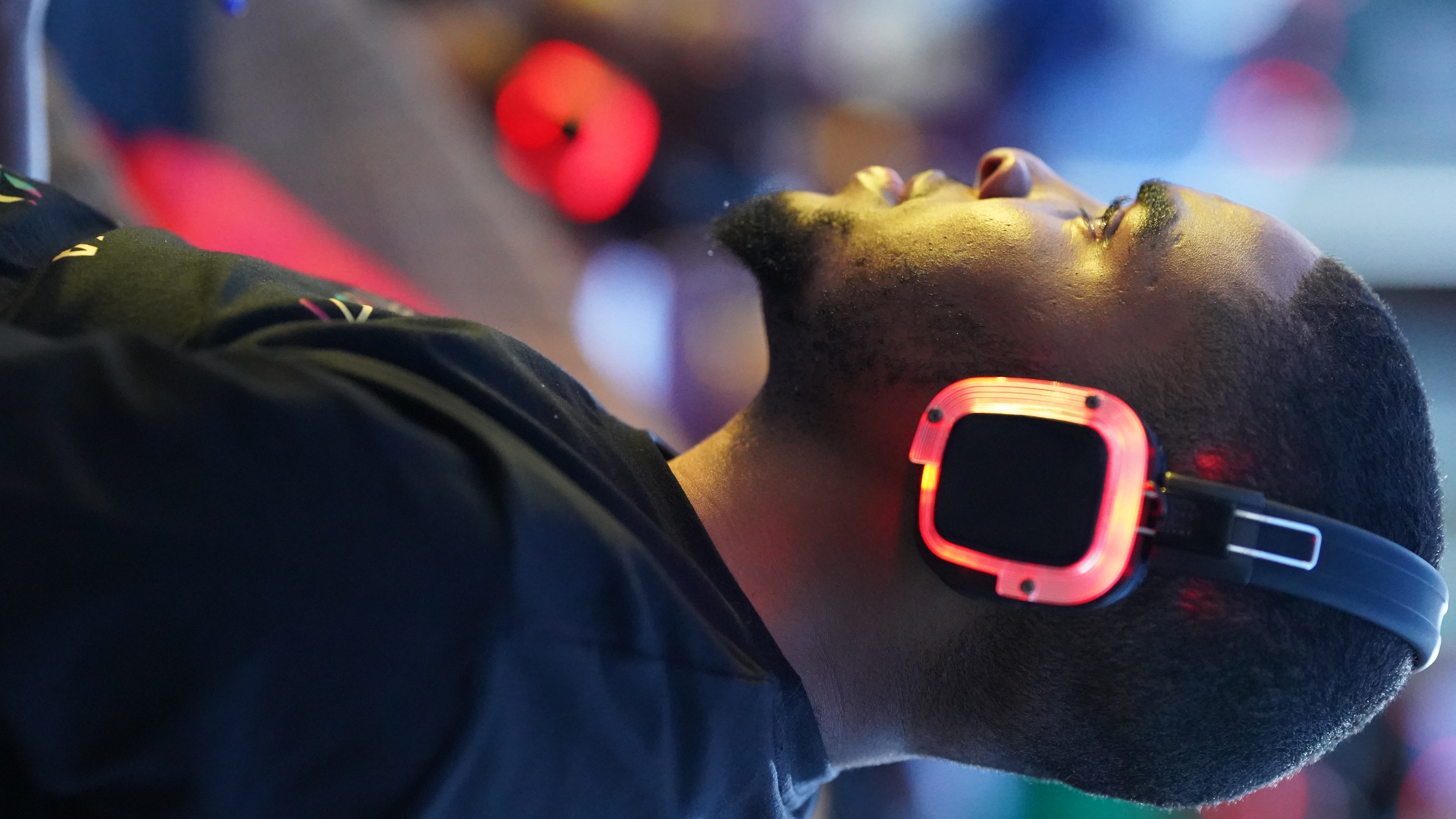
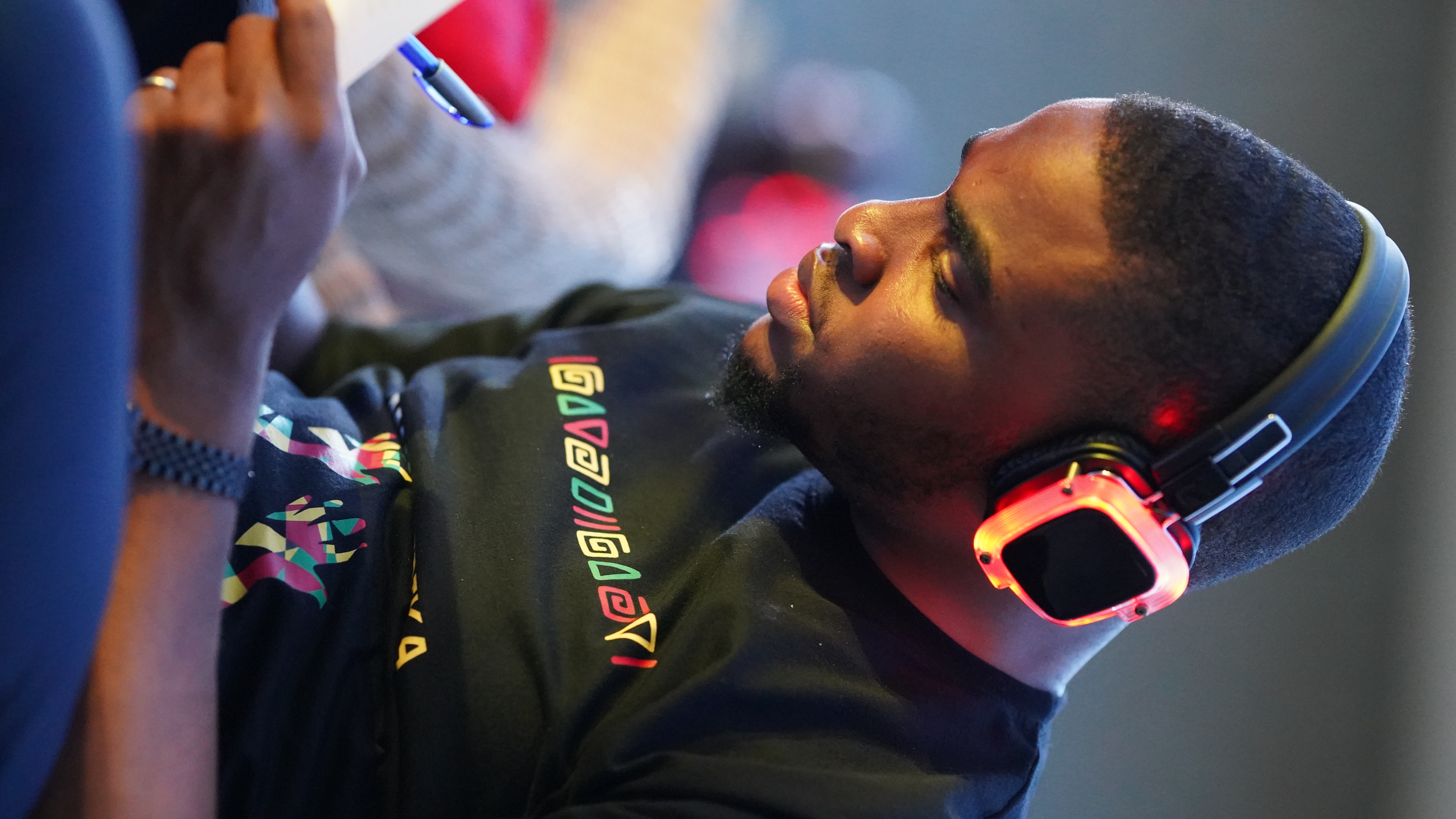
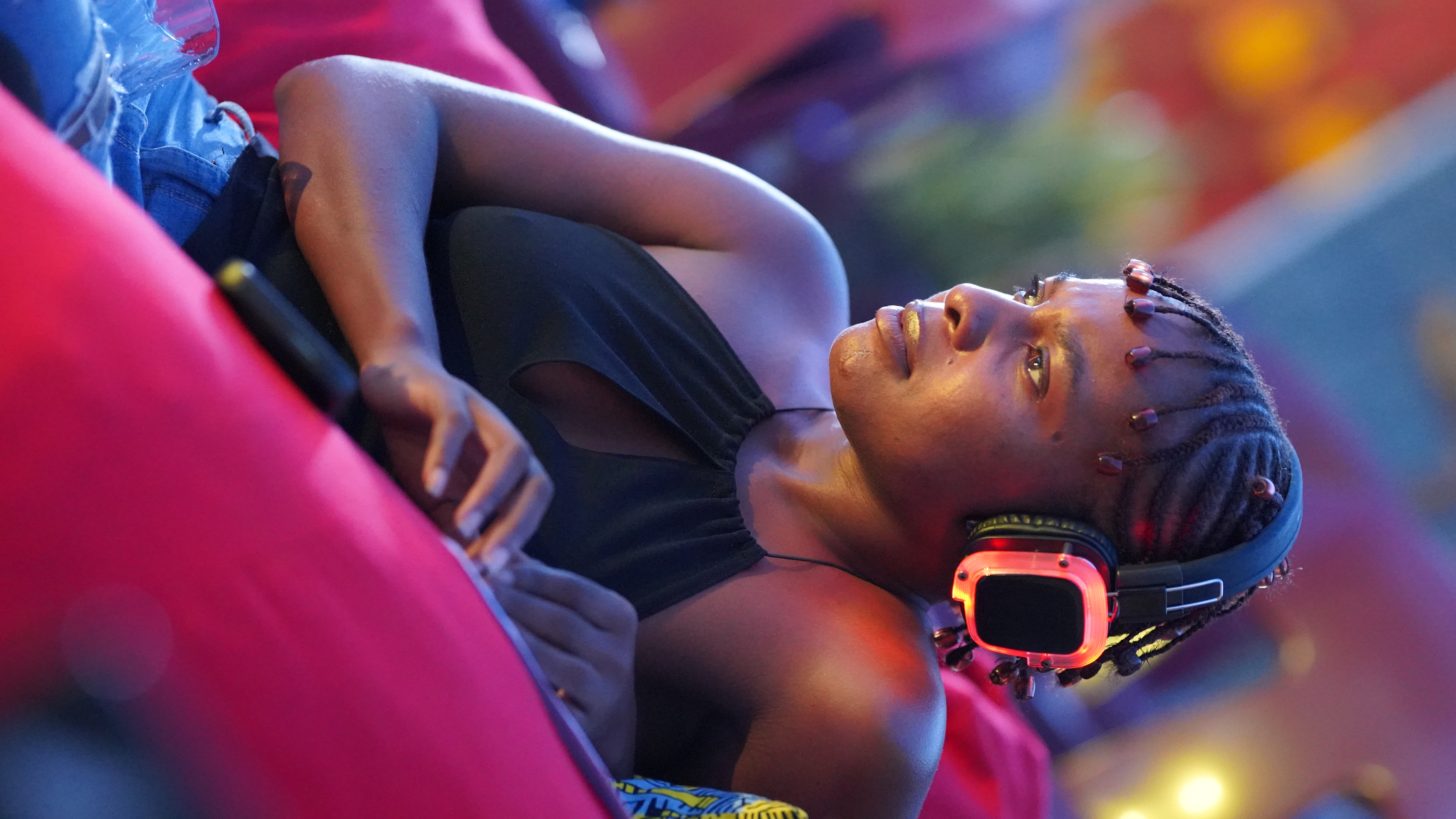
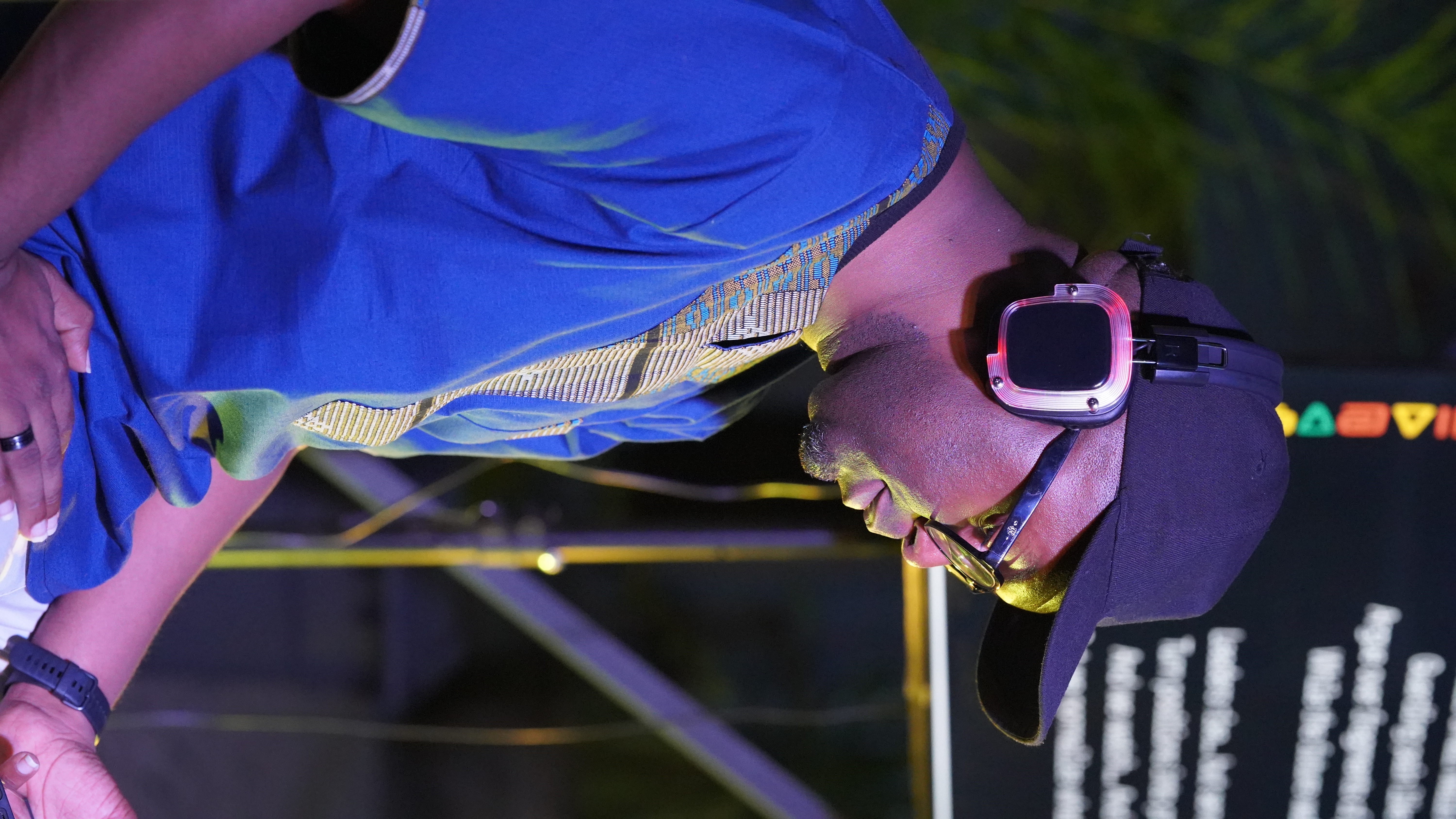
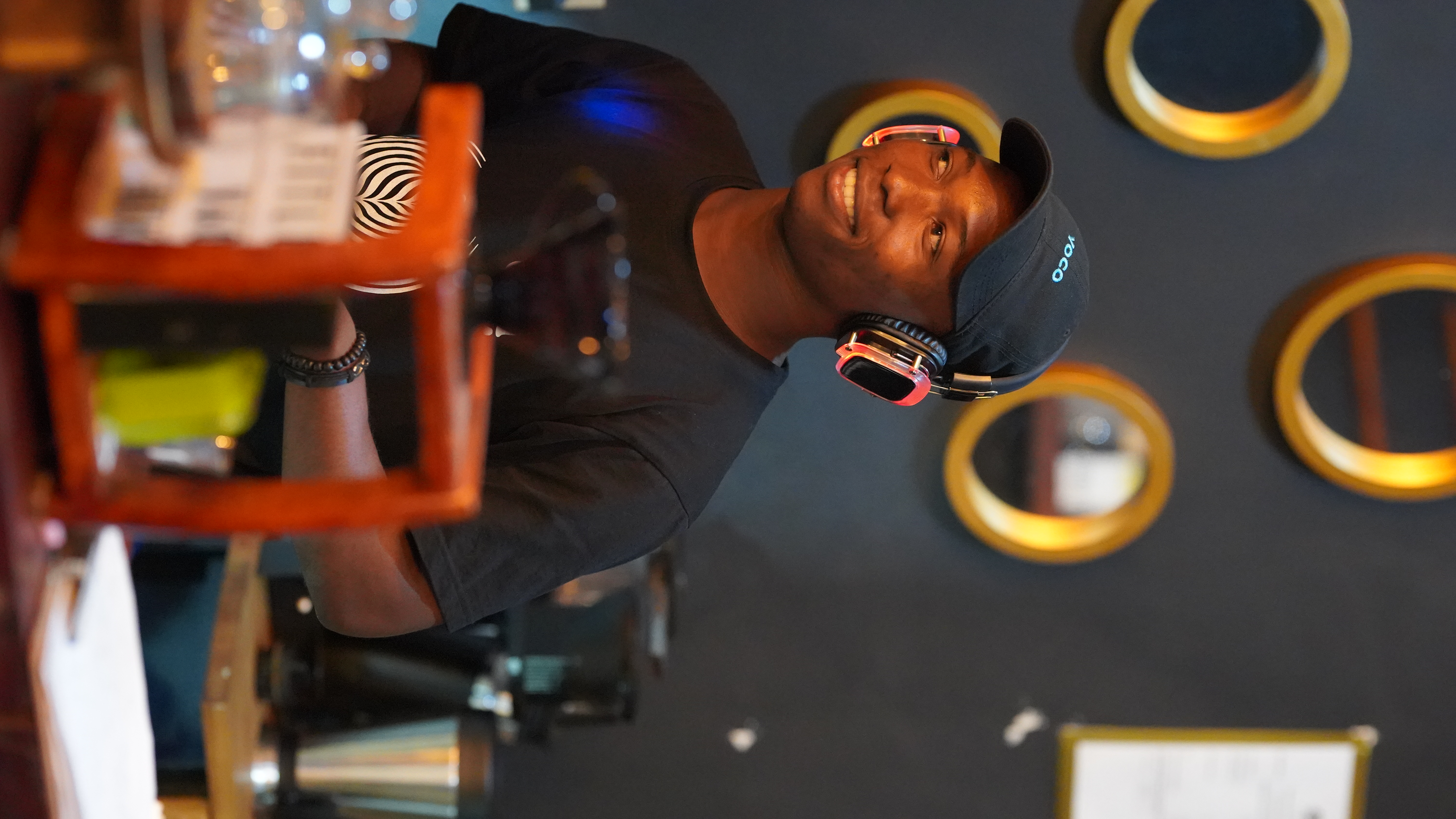
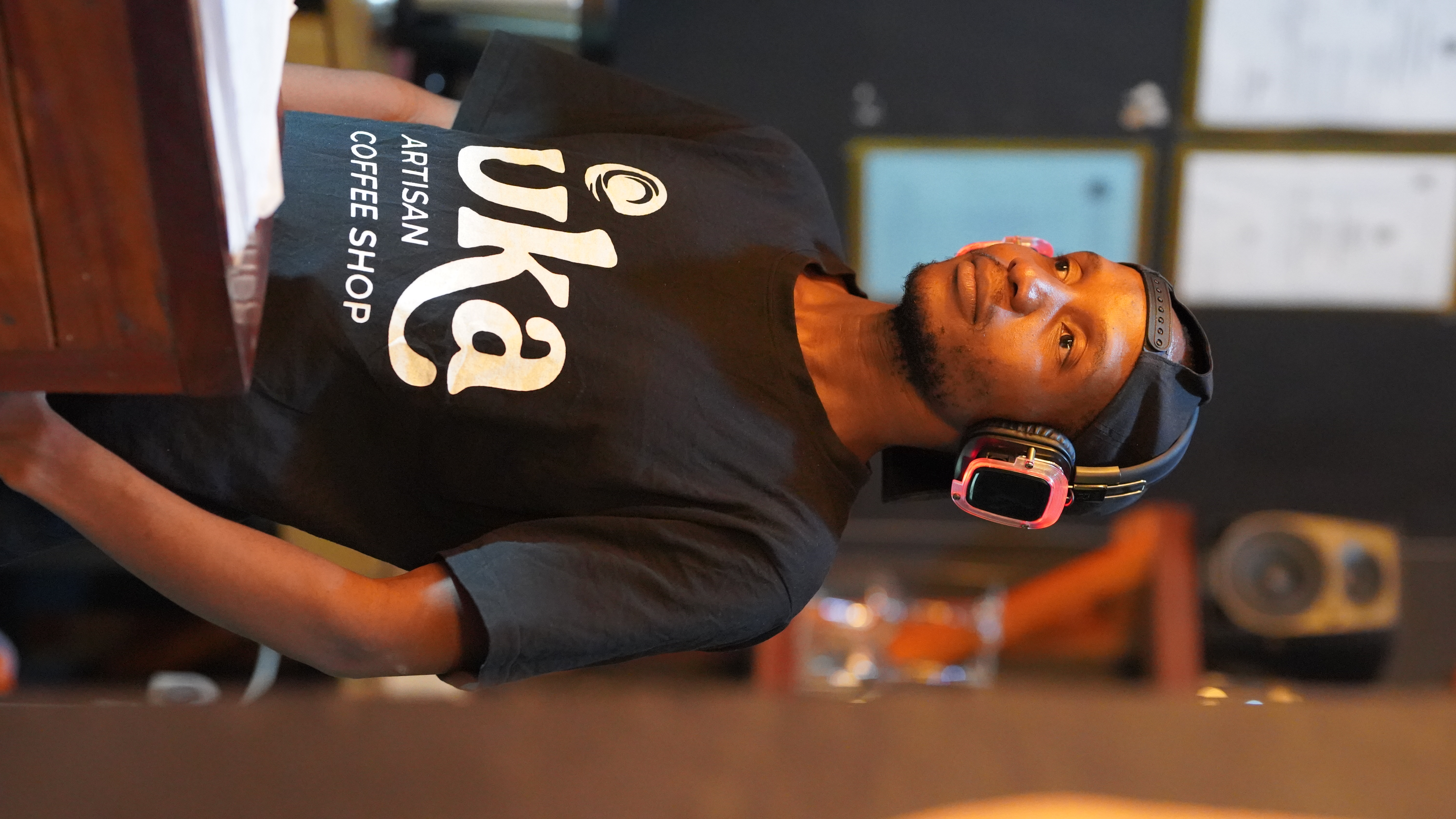
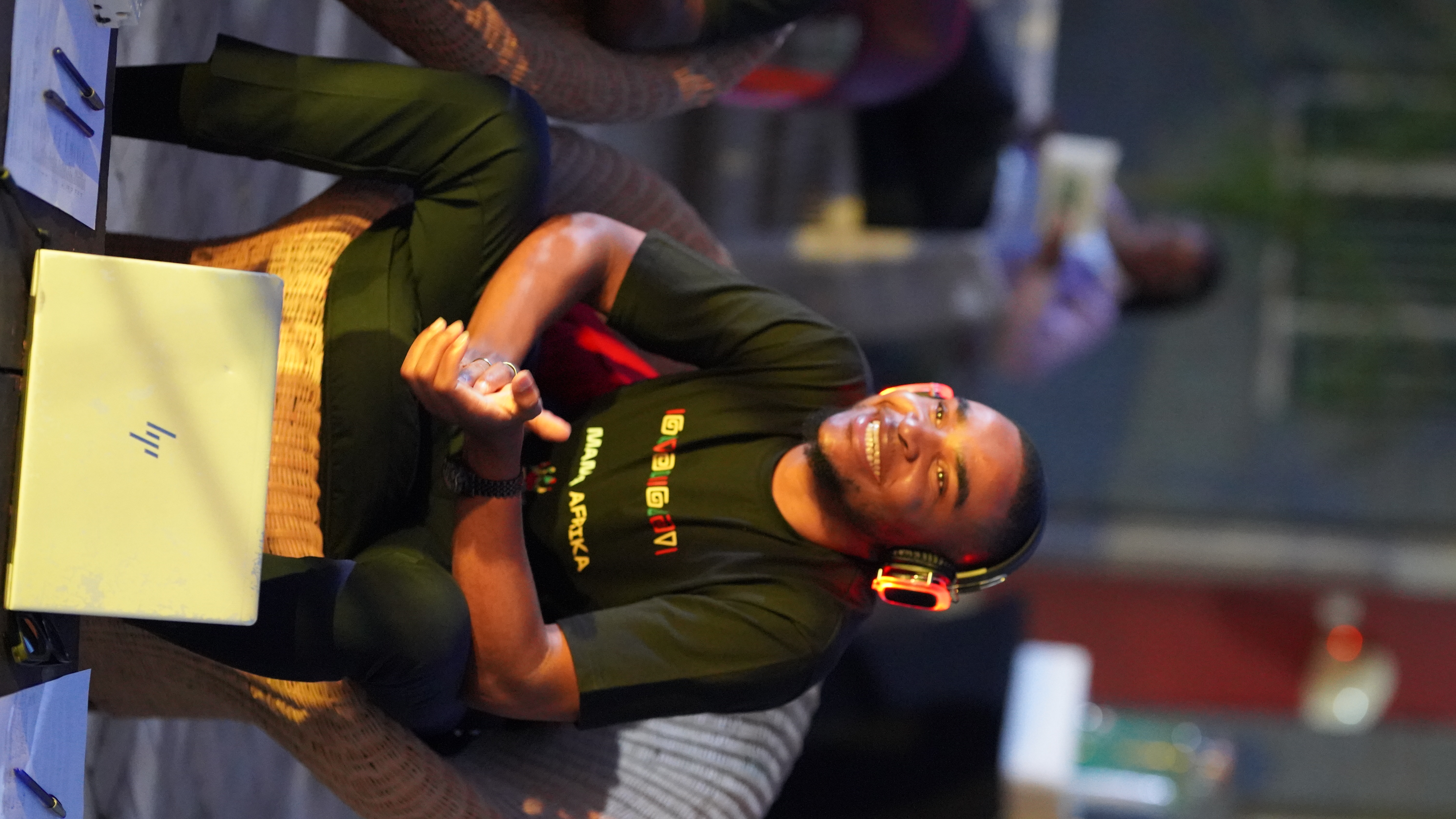
The second session moved south to Blantyre — Malawi's commercial hub and cultural heartbeat — where a new audience brought fresh energy, sharper questions, and a distinct southern perspective to the album.
Blantyre carries a different weight in Malawi's cultural landscape. As the commercial capital and home to some of the country's most active creative communities, it brought a more entrepreneurially and internationally connected audience — one that engaged with the album not only as art, but as a statement with real economic and political implications.
Having refined the session format based on learnings from Lilongwe, the Blantyre gathering introduced a more open discussion structure — allowing participants to direct conversation towards the themes and tracks that resonated most with them personally.
The Present and Future phases generated the most engagement. Afrika Now, Hustle & Gold, and The New Dawn sparked conversations around economic self-determination, the diaspora's role in African development, and what Pan African cultural identity looks like in daily life.
This is not just a music project. This is a document. Africa needs documents like this — ones made from the inside, not from afar.
Blantyre also surfaced a strong desire for the project to continue beyond the album — with attendees expressing clear interest in the live experience and collaborative expansion phases. The session closed with a conversation about Prayer for Mama (Outro) that lasted well beyond the final note.
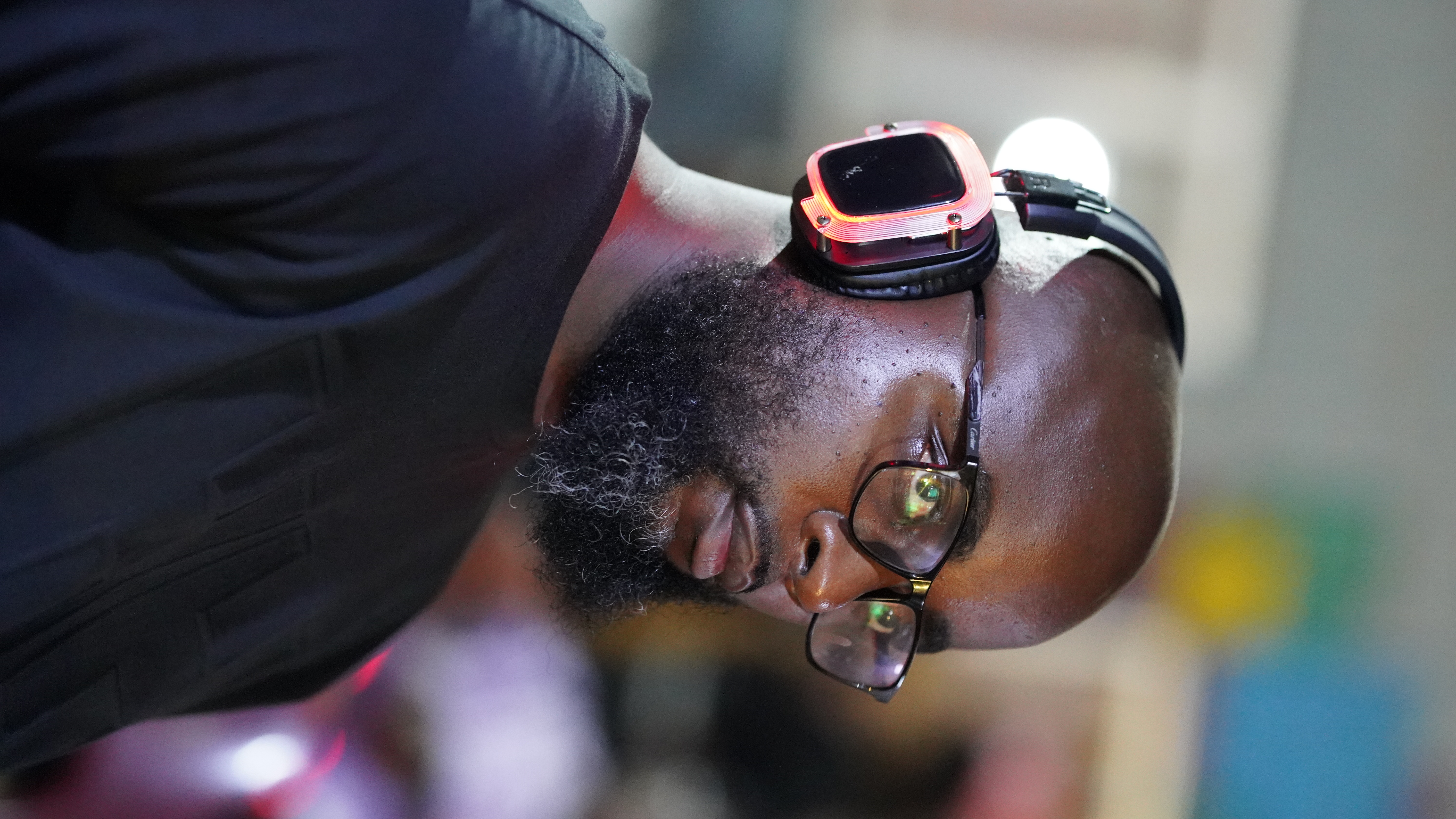
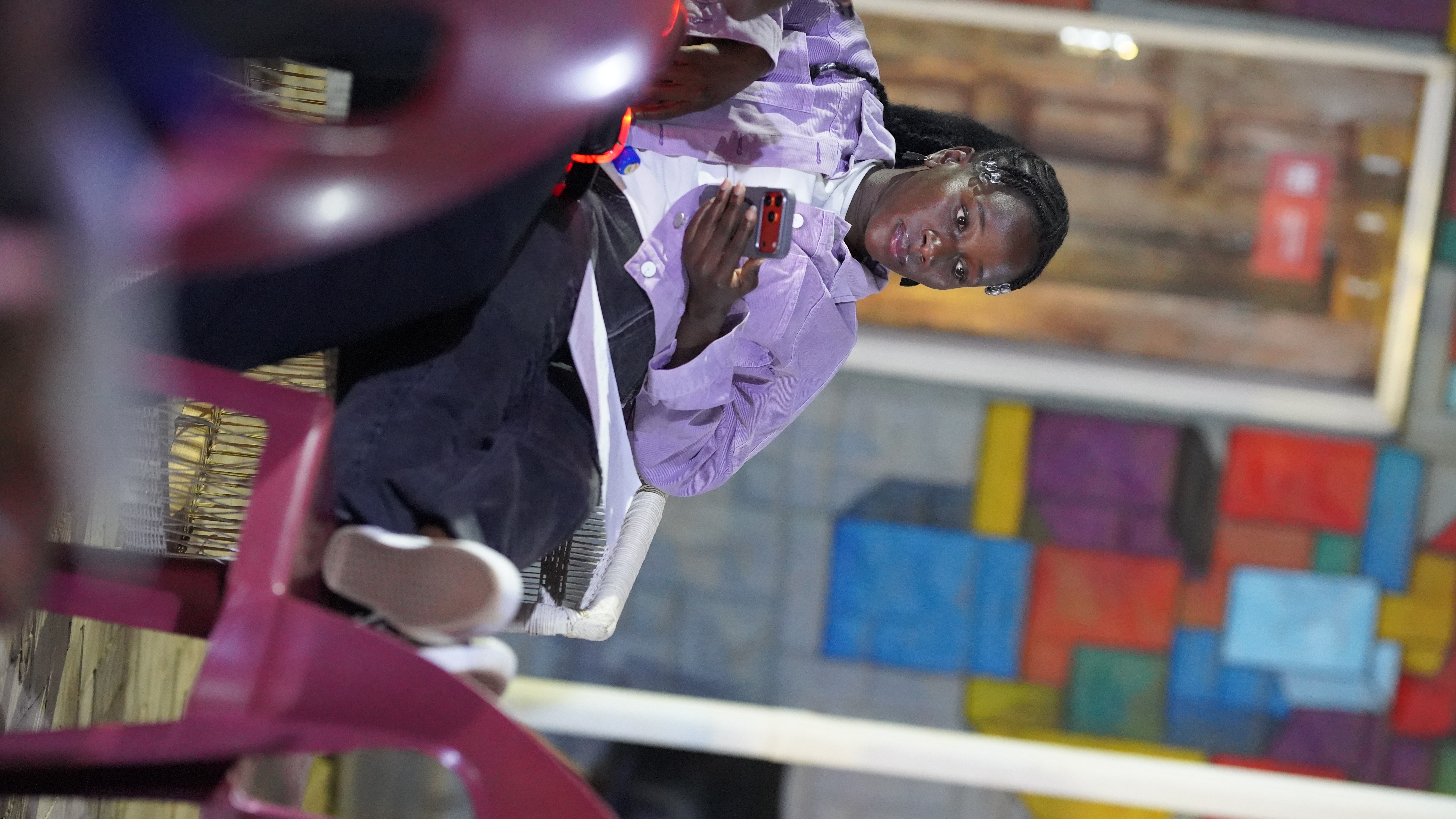
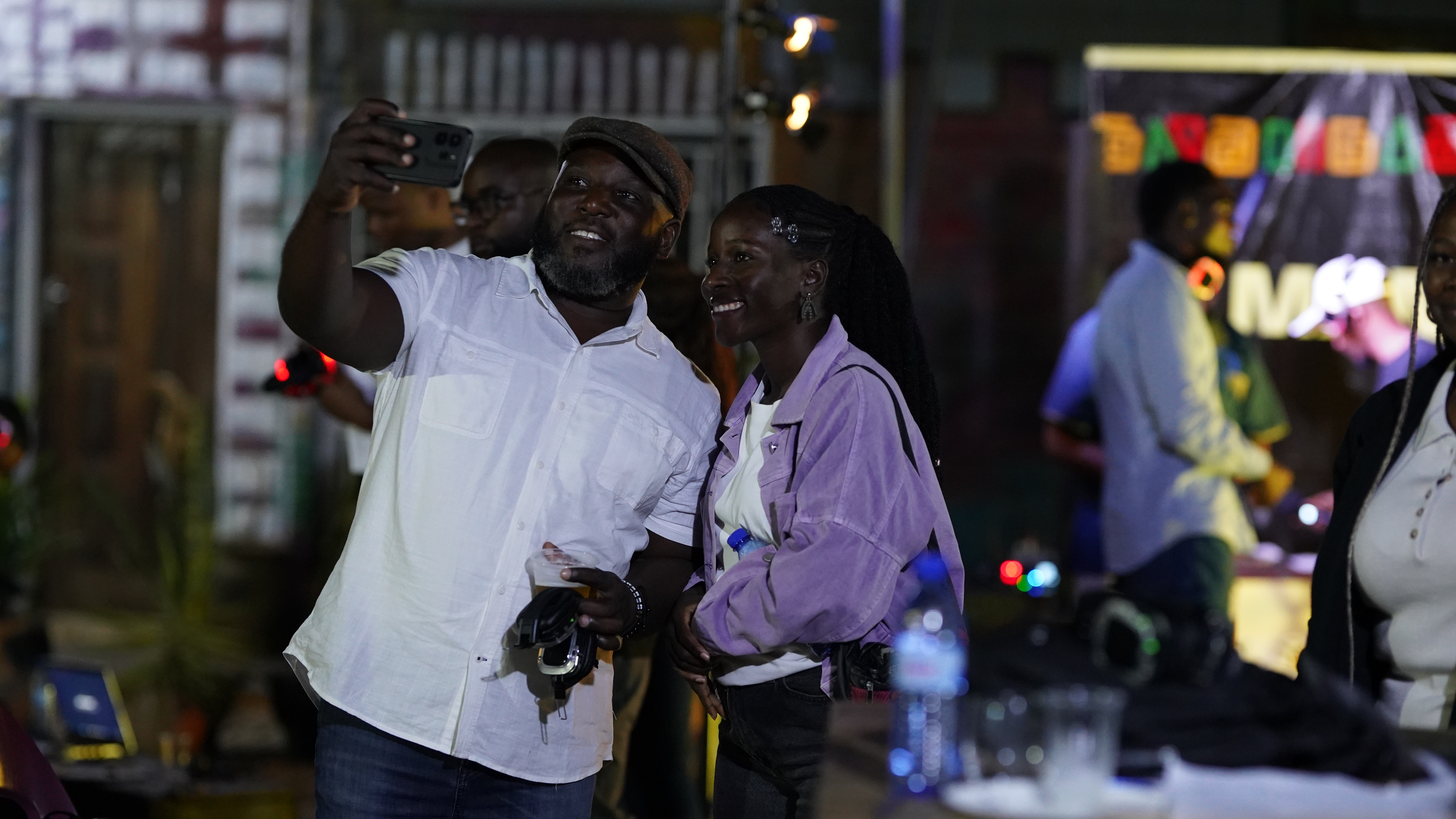
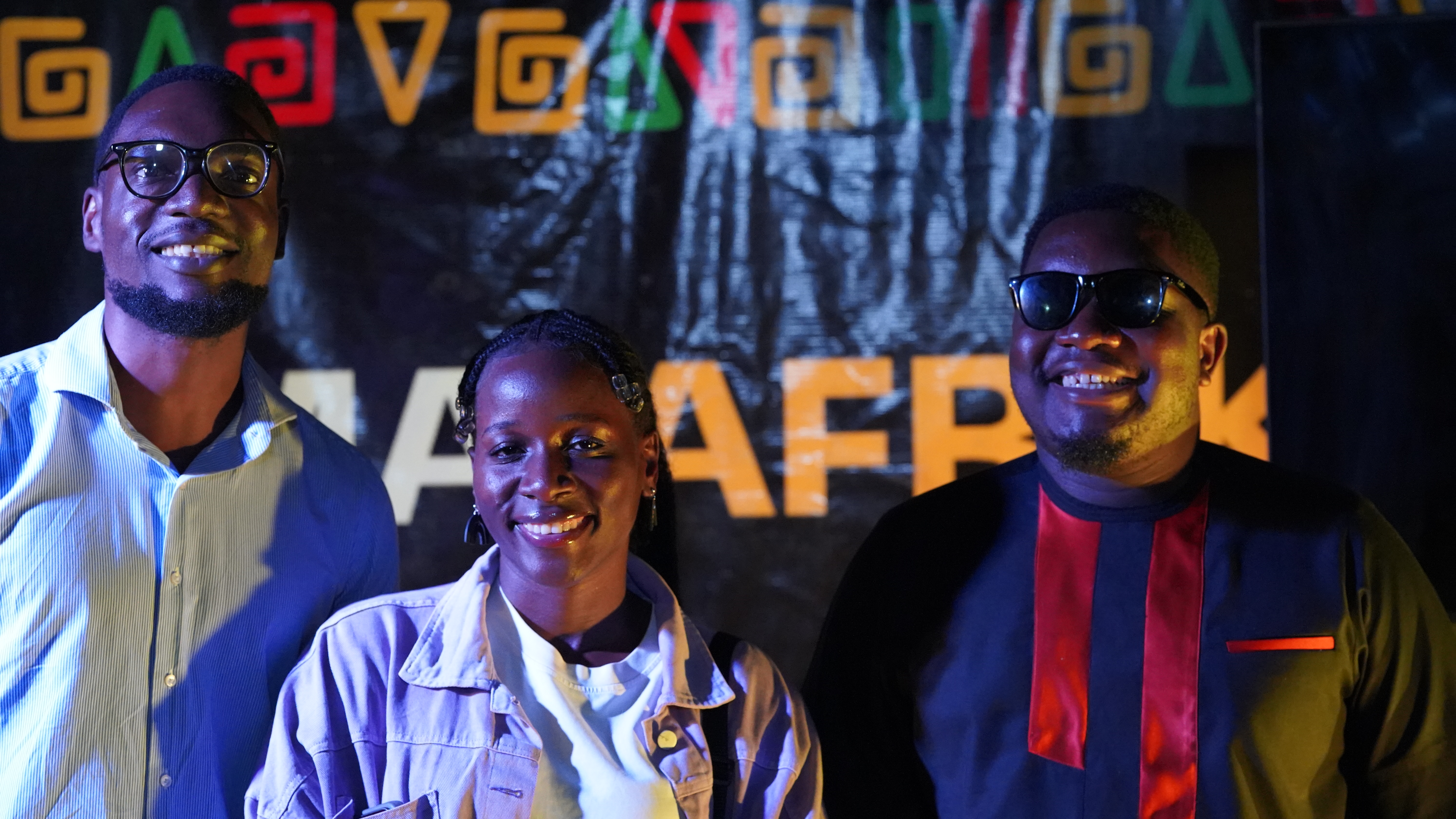
Insights that shaped the final album
Audiences in both cities followed the five-phase structure intuitively — validating that the album's narrative arc is accessible without prior explanation.
Feedback from Lilongwe led to adjustments in sequencing — ensuring the story reaches across generational and educational backgrounds throughout Malawi.
Rise of Voices, Afrika Now, and Prayer for Mama consistently emerged as the highest-impact tracks — informing promotional priorities for the continental release.
Attendees from diverse backgrounds located themselves within the album's story — confirming the project's Pan African scope transcends regional specificity.
Both sessions created a network of early invested supporters who left with a sense of ownership over the project and desire to share it within their communities.
Strong appetite expressed for live performances and collaborative sessions — directly validating the project's creative expansion strategy beyond the album.
The engagement phase continues across the continent
Stream the album · More platforms coming soon
The listening sessions were not a marketing exercise. They were an act of accountability — taking the music back to the people whose stories it carries, and asking: does this feel true?